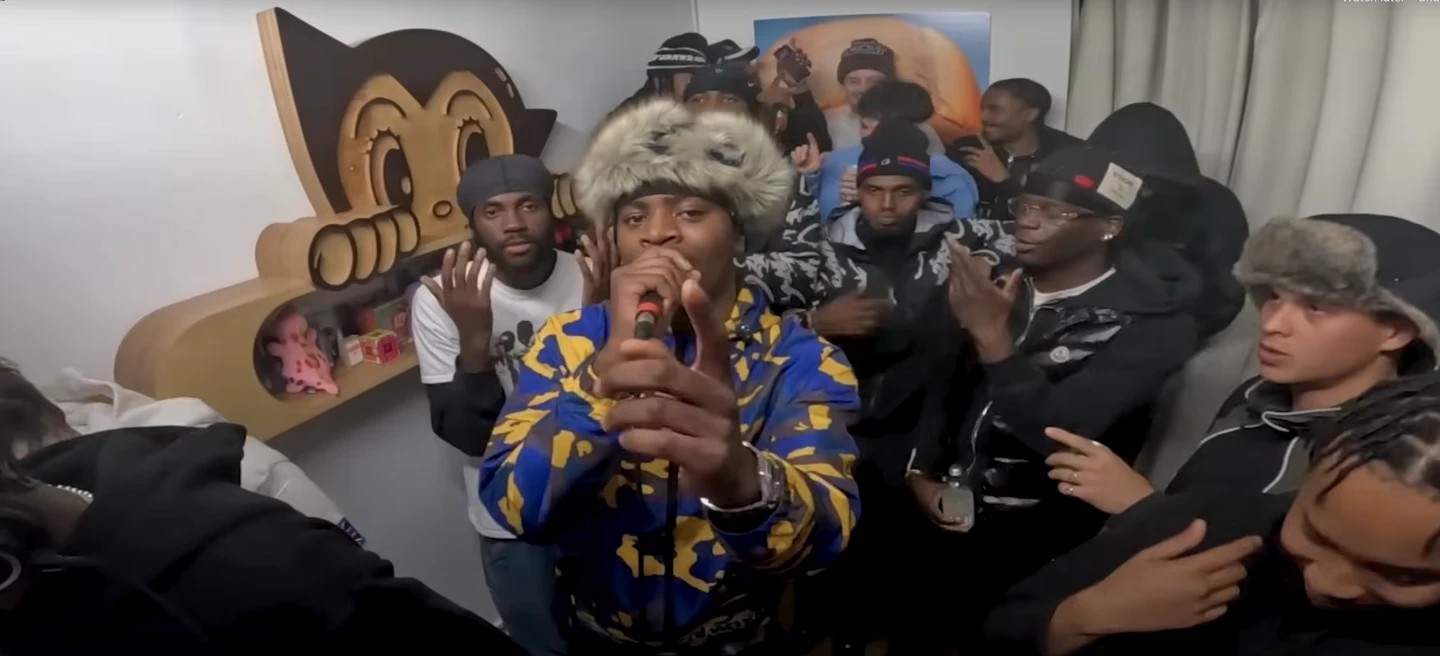
Spotlight on the UK Hip-Hop Scene: London, Manchester & Birmingham
Forget a monolith; the UK hip-hop scene is a thrilling triptych of distinct regional sounds. While the global gaze often falls on London, the true power of British rap is distributed across a dynamic geographical triangle. To understand the genre’s depth and diversity, you must map its key centres: the global capital of London, the swaggering northern pulse of Manchester, and the bass-heavy, lyrical heartland of Birmingham. This is where the sounds are forged, the trends are set, and the community thrives.
London’s Dominion: The Global Rap Capital
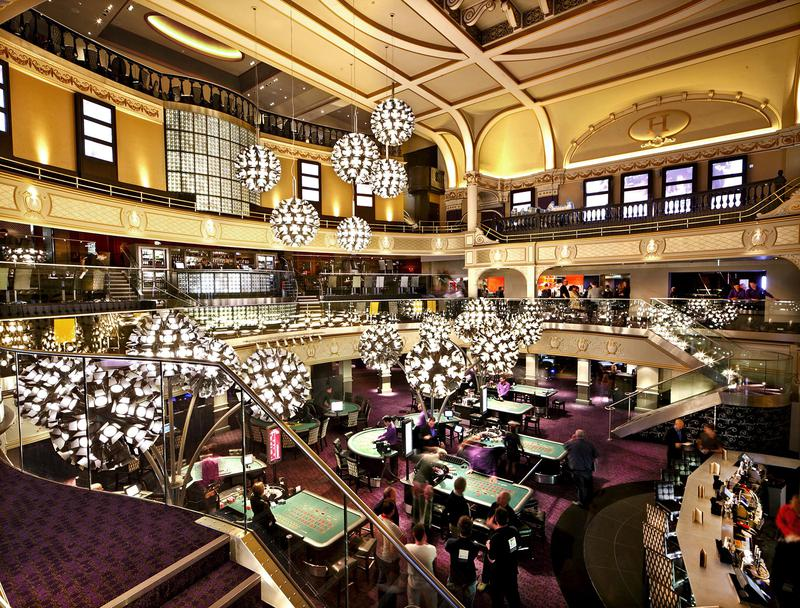
London’s position is unassailable. It is the commercial engine, the media nexus, and a relentless cultural innovator. From the chart-dominating flows of Central Cee to the genre-defining pioneers of grime, the capital sets the agenda. This influence extends beyond the music itself into the world of high-stakes glamour, where the scene’s aesthetics merge seamlessly with luxury London casino entertainment, finding a natural home in venues that embody the same blend of risk, reward, and spectacle.
The Grime & Drill Engine Room
The city’s sound is defined by its evolution. From the 140 BPM clatter of grime, born in pirate radio bedrooms and council estates, to the darker, trap-influenced realism of UK drill, London articulates its specific urban experience. Artists like Skepta, Dizzee Rascal, and later Headie One and Russ Millions, crafted narratives that resonated globally, proving that hyper-local stories could achieve universal reach. This raw energy provides the authentic core that the wider scene often builds upon.
High-Stakes Glamour: Casino Culture & Music Videos
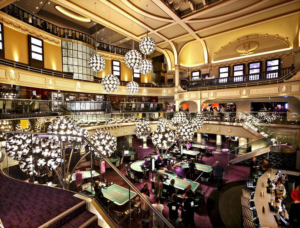
London’s rap narrative isn’t confined to the streets; it ascends to the VIP rooms. The aspirational imagery of success—luxury, wealth, and living on the edge—finds a perfect visual metaphor in casino settings. This is why locations like the legendary The Hippodrome Casino in Leicester Square and the former Cafe de Paris have become iconic backdrops for rap casino music videos and exclusive launch parties. These venues offer the glitz, the drama, and the visual shorthand for ‘making it’, creating a symbiotic relationship between the high-octane world of rap and the high-stakes environment of premium London casino entertainment.
Manchester’s Northern Groove: From Street to Swagger
Moving north, the energy shifts. Manchester’s hip-hop identity is forged in its industrial heritage and legendary club culture, resulting in a sound brimming with defiant confidence and melodic swagger. It’s less about the frantic pace of London and more about an assured, sometimes bullish, delivery. The city produces artists who are both relatable street storytellers and polished hitmakers, capable of anthemic choruses that dominate airwaves.
Storytellers & Hitmakers
This duality is perfectly embodied by its biggest stars. Bugzy Malone‘s rise is a modern Manchester fable, his lyrics detailing a journey of struggle and triumph with cinematic detail. Conversely, Aitch represents the city’s infectious, chart-ready charm, blending rap with pop sensibilities without losing his distinctive Mancunian accent and attitude. Together, they showcase the range of a scene that values both raw narrative and mainstream appeal.
The Warehouse Rave Legacy’s Influence
The city’s musical DNA is undeniable. The relentless beat of the Haçienda era and the UK garage explosion injected a permanent sense of rhythm and dancefloor imperative into Manchester’s sound. You can hear it in the production—the skippy hi-hats, the buoyant basslines—that underpins even its hardest rap tracks. This history ensures Manchester hip-hop always has a physical, rhythmic pull, connecting it directly to the city’s legacy of movement and nightlife.
Birmingham’s Bassline Heartbeat & Lyrical Dexterity
Often the unsung hero of the trio, Birmingham’s contribution is foundational. The city operates at the intersection of deep musical rhythm and technical lyricism. Its sound is built upon the colossal bassweight of UK garage and bassline, genres it helped pioneer, which provides a rolling, energetic foundation for complex wordplay and rapid-fire delivery.
From Devilman to the New Wave
Birmingham’s lyrical prowess has deep roots. The legacy of early battle rap icons like Devilman, part of the city’s influential collective, set a high bar for technical skill and punchline density. This torch has been carried by a new wave of artists, such as Mist, who blends Brummie cadence with laid-back, melodic flows, and Jaykae, whose gritty narratives are delivered with relentless energy. They prove the city’s style is both cerebral and fiercely energetic.
The Bass & Garage Foundation
You cannot separate Birmingham’s rap from its bass. The city’s clubs and pirate stations were incubators for the UK’s garage and later bassline scenes. This heritage means Birmingham producers instinctively craft beats that make clubs move. This sonic identity, nurtured in creative hubs like The Custard Factory, gives the city’s hip-hop a distinctive, rhythmic drive that differentiates it from its counterparts, making it immediately recognisable on any national playlist.
Cross-City Collaborations & The National Sound
The true strength of UK hip-hop is revealed not in isolation, but in collaboration. The cross-pollination between London, Manchester, and Birmingham has created a cohesive yet diverse national sound. Aitch features with Stormzy; Birmingham’s producers craft hits for London MCs; Manchester accents flow over beats made in the Midlands. Key platforms have been instrumental in this:
- BBC Radio 1Xtra: As the national broadcaster for urban music, it provides essential airtime, breaking regional artists to a UK-wide audience and creating a shared cultural space.
- Link Up TV & GRM Daily: These digital platforms offer visual exposure, allowing freestyles and videos from any city to go viral nationally, democratising discovery.
- Festival Stages: From Wireless to Parklife, festivals curate line-ups that force scenes to collide, fostering respect and creative exchange between artists from different hubs.
Venues & Residencies: Where Scenes Cultivate Community
Beyond radio waves and digital streams, these scenes are solidified in physical spaces. Specific venues act as cultural pillars, offering more than just a stage—they provide a home, a testing ground, and a community centre for each city’s hip-hop heartbeat.
London’s Legendary Floors
In the capital, history echoes in certain rooms. The Jazz Cafe, Camden, is hallowed ground, known for its intimate gigs and legacy in nurturing live hip-hop and soul. For larger shows, venues like KOKO and the O2 Academy Brixton host landmark moments. And as discussed, the allure of hip hop casino residencies uk finds its peak in venues like The Hippodrome, where the scene’s glamour and ambition are mirrored in the opulent surroundings.
Northern & Midlands Pillars
Manchester’s spirit thrives in venues like YES, a multi-floor hub reflecting the city’s eclectic taste, and The Blues Kitchen. In Birmingham, spaces like The Mill and the Institute provide crucial platforms for local and touring talent, while the creative community anchored at The Custard Factory continues to spawn the next generation of artists and producers, keeping the city’s unique sonic identity alive and evolving.
The strength of UK hip-hop lies not in a single city’s dominance, but in the powerful, distinct, and interconnected triangle of London, Manchester, and Birmingham. Each hub brings its own history, rhythm, and narrative voice to the table. Together, they form a national scene that is rich in contrast, united in ambition, and relentlessly innovative, proving that the UK’s rap identity is a collective power built on legendary regional foundations.



Post Comment